Water damage can begin with something as small as a dripping pipe, a loose plumbing connection, or an appliance that leaks only occasionally. While some water problems are immediately visible, others can remain hidden behind walls, beneath floors, or inside plumbing systems until noticeable damage has already developed.
Understanding how water moves through a home and recognizing early warning signs can help homeowners respond before a relatively small plumbing problem becomes more extensive. It can affect drywall, flooring, insulation, cabinets, ceilings, and structural materials depending on the source and how long moisture remains present.
This guide explains the common causes of water damage, the warning signs homeowners should watch for, what to do when water enters the home, and when professional help may be necessary.
Understanding Water Damage in Your Home
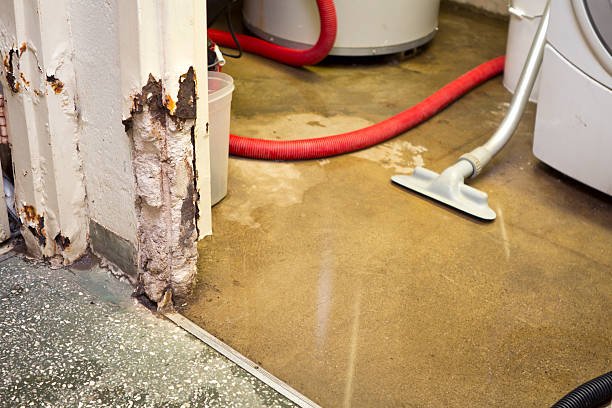
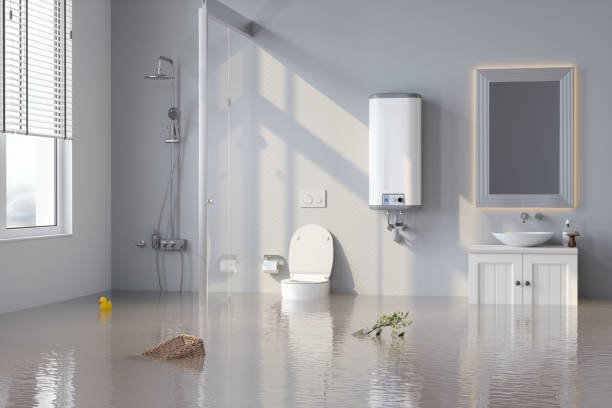
Significant flooding has damaged a basement. Narrow depth of field.
It occurs when unwanted water or excess moisture affects a home’s materials, systems, or contents.
The source can vary considerably. Water may come from plumbing, appliances, fixtures, weather-related events, drainage problems, or household accidents.
Common sources include:
- Leaking pipes
- Damaged plumbing connections
- Overflowing fixtures
- Appliance leaks
- Water heater problems
- Roof or window leaks
- Drain or sewer backups
- Flooding
- Broken supply lines
- Malfunctioning sump pumps
- Excessive condensation
The severity of a water leak and the resulting damage depend on several factors, including how much water is present, where the water originated, which materials were affected, and how long moisture remains in the area.
A small amount of water discovered quickly may cause limited damage. However, moisture that continues unnoticed can spread into surrounding materials and create a much larger problem.
How Water Leaks Can Lead to Water Damage
Not every plumbing leak immediately creates visible damage.
A slow leak can allow moisture to accumulate gradually inside walls, beneath flooring, or around fixtures. Because the water is released in small amounts, homeowners may not notice the problem until staining, odors, warped materials, or other changes appear.
For example, water escaping from a supply line may travel along framing or piping before becoming visible elsewhere. This means the location where it appears is not always the exact location of the leak.
Common plumbing problems that can eventually cause damage include:
- Corroded pipes
- Loose fittings
- Damaged pipe joints
- Cracked supply lines
- Failing appliance hoses
- Leaking water heaters
- Running or leaking toilets
- Damaged shutoff valves
- Frozen pipes
- Excessive water pressure
If you notice water from pipes, it is important to determine whether the moisture is coming from an active leak, a damaged connection, or condensation forming on the outside of the pipe.
Even a relatively small plumbing problem can cause ongoing moisture exposure if it continues for an extended period.
Common Causes of Water Damage in a Home
Water can enter or accumulate inside a home for many different reasons. Identifying the source is important because the appropriate response depends on where the water is coming from.
Plumbing Leaks
Plumbing leaks are among the most common household sources of unwanted water.
Leaks can develop in visible pipes beneath sinks or around appliances, but they can also occur inside walls, ceilings, and floors.
A plumbing leak may result from:
- Aging pipe materials
- Corrosion
- Loose connections
- Damaged seals
- Cracked fittings
- High water pressure
- Freezing temperatures
- Physical damage
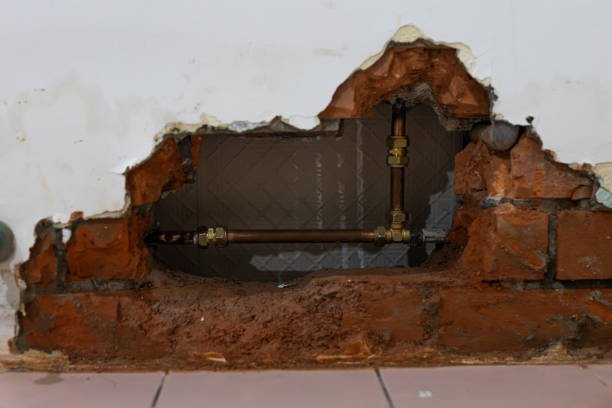
A hidden plumbing problem can be particularly difficult to identify because the pipe itself may not be accessible.
Homeowners who notice recurring moisture, staining, soft drywall, or persistent odors may want to investigate whether there are signs of a hidden plumbing leak behind a wall rather than assuming the visible damage is only a surface issue.
Appliance and Water Heater Problems
Many household appliances are connected directly to the plumbing system.
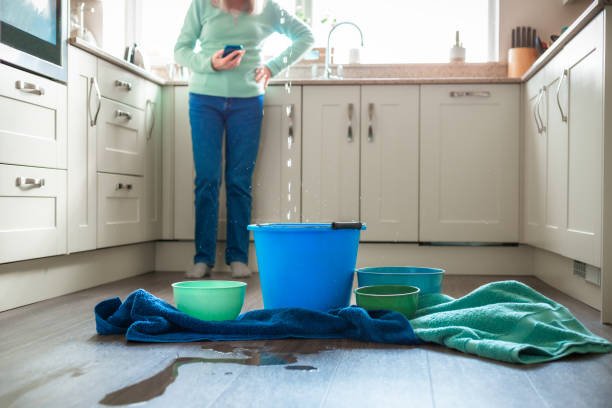
Washing machines, dishwashers, refrigerators with water lines, water softeners, and other appliances can develop leaks through damaged hoses, loose connections, or internal failures.
Water heaters can also create moisture problems when tanks, valves, fittings, or connected plumbing begin leaking.
Check around water-using appliances periodically for:
- Puddles
- Dripping water
- Corrosion
- Damp flooring
- Moisture around supply lines
- Unusual sounds
Catching an appliance-related leak early can help limit damage to surrounding cabinets, walls, and flooring.
Overflowing Fixtures
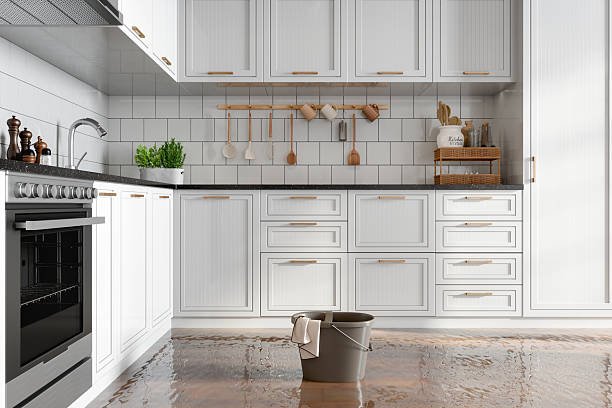
Sinks, toilets, and bathtubs can cause significant water leaks when water escapes onto floors and reaches surrounding materials.
An overflow may result from:
- A clogged drain
- A running fixture
- A plumbing blockage
- A malfunctioning component
- An unattended faucet
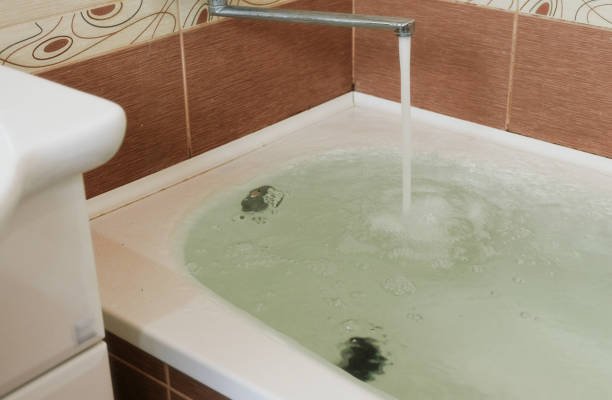
A bathtub flood, for example, can spread beyond the bathroom if water reaches flooring, walls, or nearby rooms.
Roof, Window, and Exterior Leaks
Not all damage comes from plumbing.
Rainwater can enter a home through damaged roofing, flashing, siding, windows, doors, or other exterior openings.
Exterior water intrusion may sometimes look similar to a plumbing leak.
For example, a water stain on a ceiling could result from:
- A leaking pipe
- A roof leak
- Condensation
- HVAC moisture
- Rainwater intrusion
Observing when the problem occurs can help narrow down the possible cause.
If a stain becomes worse after rainfall, an exterior source may be more likely. If moisture appears after using a nearby shower, sink, or appliance, plumbing may deserve closer attention.
Drainage and Sewer Problems
It can also occur when wastewater cannot flow properly through the plumbing system.
Drain blockages, damaged sewer lines, and backups can cause water or wastewater to enter areas where it does not belong.
These problems may require a different response from a clean-water plumbing leak because the water may contain contaminants.
If wastewater or sewage enters the home, avoid treating the situation as an ordinary clean-water spill.
Warning Signs of Water Damage
It is not always obvious immediately.
In many cases, homeowners first notice changes in building materials or unusual conditions inside the home.
Common warning signs include:
- Water stains on walls or ceilings
- Peeling or bubbling paint
- Soft or swollen drywall
- Warped flooring
- Buckled baseboards
- Persistent musty odors
- Mold or mildew
- Damp carpets
- Recurring moisture
- Unexplained puddles
- Dripping sounds
- Unusual changes in water usage
One sign alone does not always identify the source of the problem.
For example, a musty smell may result from humidity or another moisture source, while a ceiling stain could originate from plumbing or an exterior leak.
Similarly, a toilet overflow may involve more than simply removing visible water. Depending on the source and extent of the overflow, proper toilet overflow cleanup may require attention to contaminated materials as well as moisture removal.
However, several warning signs occurring together can provide stronger evidence that further investigation is needed.
How to Identify the Source of Water
One of the most important steps when dealing with damage is determining where the water is coming from.
Before beginning repairs, consider the following questions:
- Is water actively flowing?
- Does moisture appear continuously or only occasionally?
- Did the problem occur after using a fixture?
- Did it appear after rainfall?
- Is the affected area near plumbing?
- Is there an appliance nearby?
- Does the water have an unusual odor or appearance?
- Is the problem getting worse?
Patterns can provide useful clues.
For example, water that appears only when a washing machine operates may point toward an appliance hose or connection. Moisture that becomes visible after heavy rain may indicate an exterior issue.
When the source is not immediately visible, broader investigation may be necessary.
Knowing how to find a water leak in your house can help homeowners check for common signs of unexplained water loss before unnecessary damage occurs.
Why Hidden Water Damage Can Be Difficult to Detect
Some water problems remain hidden because water can travel away from its source.
A leaking pipe inside a wall may allow water to move downward through framing or insulation before it becomes visible on a ceiling or floor.
This can make locating the exact source difficult without further inspection.
Hidden moisture may affect:
- Wall cavities
- Insulation
- Subflooring
- Ceiling materials
- Cabinets
- Structural framing
For this reason, simply drying the visible surface does not always address the underlying problem.
If moisture repeatedly returns to the same location, the source should be investigated rather than repeatedly repainting, cleaning, or covering the affected area.
What to Do When You Discover Water Damage
The appropriate response depends on the amount of water, its source, and whether the situation is still active.
However, several general steps can help homeowners respond safely.
1. Stop the Source of Water if Possible
If water is actively entering the area from a fixture, appliance, or visible plumbing connection, stopping the water source may help prevent additional damage.
Depending on the situation, this could involve turning off:
- A nearby faucet
- An appliance
- A fixture shutoff valve
- The home’s main water supply
Do not attempt complicated plumbing repairs if you are unsure of the source or if the situation involves damaged pipes, significant flooding, or other hazards.
2. Consider Electrical Safety
Water and electricity can create serious hazards.
If water is near:
- Electrical outlets
- Wiring
- Electrical panels
- Appliances
- Extension cords
Avoid entering the area or touching electrical equipment until it is safe to do so.
If there is uncertainty about electrical hazards, contact a qualified professional.
3. Remove Standing Water When It Is Safe
Small amounts of clean water may be removed using appropriate household equipment.
However, larger amounts of water or water from contaminated sources may require professional assistance.
The priority is not only removing visible water but also addressing moisture that may have entered absorbent materials.
4. Begin Drying the Area
Drying should begin as soon as it is safe to do so.
Depending on the situation, this may involve:
- Increasing ventilation
- Using fans
- Using dehumidification
- Removing wet items from the affected area
The goal is to reduce ongoing moisture exposure.
However, surface drying alone may not be sufficient if water has entered walls, floors, insulation, or other concealed areas.
5. Identify the Cause Before Repairing the Surface
Repairing damaged drywall or repainting a stained wall without identifying the source can result in the same problem returning.
Before restoring affected materials, determine whether the water source has been stopped.
Clean Water, Contaminated Water, and Why the Source Matters
Not all water entering a home should be treated the same way.
Water from a clean supply line may present different concerns from water associated with a drain backup, sewer problem, or toilet overflow.
The source can influence:
- Cleanup procedures
- Materials that may need to be removed
- Personal protective measures
- Whether professional assistance is appropriate
For example, wastewater may contain contaminants that require more careful handling than a clean-water leak from a supply line.
When the source is uncertain, avoid assuming that all standing water is harmless.
How Water Damage Affects Different Parts of a Home
Different building materials respond differently to moisture.
Drywall
Drywall can absorb water and become soft, swollen, or structurally weakened.
Signs of moisture damage may include:
- Bubbling paint
- Soft spots
- Staining
- Swelling
- Sagging
Repeated moisture exposure can continue damaging drywall even after the visible surface appears dry.
Flooring
Water can affect many types of flooring.
Possible signs include:
- Warping
- Buckling
- Separation
- Swelling
- Soft areas
Water may also move beneath flooring materials, making the visible surface appear less damaged than the area underneath.
Wood and Structural Materials
Prolonged moisture exposure can affect wood framing, trim, cabinets, and other building materials.
The severity depends on the amount and duration of moisture exposure.
Addressing the water source early is generally more effective than waiting for visible deterioration to become severe.
Insulation
Insulation inside walls or ceilings can retain moisture.
Because it is concealed, moisture problems may continue without being immediately visible.
Persistent dampness can also contribute to conditions that support mold growth.
Monitoring Your Water Usage for Possible Plumbing Issues
An unusually high water bill does not always mean that water leakage is occurring.
Household water consumption can increase because of seasonal activities, additional occupants, irrigation, appliance use, or other changes.
However, unexplained water usage may sometimes indicate a hidden plumbing problem.
Common reasons water bill is high can include:
- Running toilets
- Dripping faucets
- Irrigation leaks
- Appliance problems
- Hidden plumbing leaks
- Increased household consumption
If water usage increases without an obvious explanation, checking the plumbing system for leaks may be worthwhile.
A water meter can sometimes help indicate whether water is being used when fixtures and appliances are not intentionally operating.
Preventing Water Damage
Not every water problem can be prevented, but regular observation and maintenance can help identify issues earlier.
Consider the following practices.
Inspect Plumbing Connections
Periodically check accessible plumbing beneath sinks and around appliances.
Look for:
- Drips
- Corrosion
- Moisture
- Loose connections
- Damaged hoses
Monitor Appliances
Check washing machines, dishwashers, refrigerators, and other water-connected appliances for signs of leaks.
Pay attention to supply hoses and connections, particularly as equipment ages.
Watch for Changes in Your Home
Do not ignore recurring:
- Stains
- Odors
- Dampness
- Peeling paint
- Warped materials
Changes that repeatedly occur in the same location deserve investigation.
Address Small Leaks Promptly
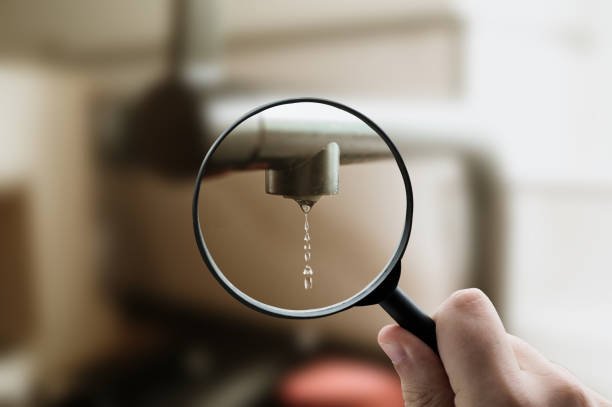
A small drip may seem insignificant, but ongoing water exposure can eventually affect nearby materials.
Prompt repairs can reduce the chance of additional damage.
Pay Attention to Water Usage
Reviewing water bills can help identify unusual changes.
A sudden increase does not automatically confirm a leak, but it can provide a reason to inspect fixtures and plumbing more closely.
When Should You Call a Professional?
Some water problems can be observed or temporarily managed by homeowners, while others require professional evaluation.
Consider contacting a qualified professional when:
- The source of water cannot be identified
- Water is actively leaking inside a wall or ceiling
- A pipe has burst
- Significant flooding has occurred
- Building materials are becoming soft or unstable
- Water is near electrical equipment
- Moisture repeatedly returns
- A sewer or wastewater backup has occurred
- You suspect extensive hidden moisture
- The plumbing system requires repairs beyond a simple fixture adjustment
Professional inspection may help identify concealed plumbing issues and determine whether moisture has spread beyond the visible area.
FAQs
What is considered water damage?
Water damage occurs when unwanted water or excess moisture affects a property’s materials, contents, or systems. It can result from plumbing leaks, appliance failures, flooding, roof leaks, overflowing fixtures, and other sources of water intrusion.
Can water damage get worse over time?
Yes. Ongoing moisture exposure can affect additional materials over time. A small leak that continues unnoticed may eventually cause more extensive damage than the original visible symptoms suggest.
How quickly should water damage be addressed?
It should generally be addressed as soon as possible. The longer moisture remains in building materials, the greater the possibility of additional deterioration and moisture-related problems.
Can water damage occur without visible standing water?
Yes. Slow leaks and hidden moisture can affect walls, floors, ceilings, and other materials without creating an obvious puddle.
Is a water stain always caused by a plumbing leak?
No. Water stains can result from plumbing leaks, roof leaks, condensation, HVAC-related moisture, or exterior water intrusion. The timing and location of the stain can help narrow down the possible source.
Can a water leak cause mold?
Persistent moisture can create conditions that support mold growth. Identifying and correcting the moisture source is an important part of preventing ongoing problems.
Should I repair water-damaged drywall myself?
The answer depends on the extent of the damage and the source of the water. Before repairing drywall, make sure the source of moisture has been identified and addressed. Significant damage or contamination may require professional evaluation.
How do I know if water damage is serious?
It may require urgent attention when water is actively flowing, structural materials appear weakened, moisture is spreading, electrical hazards are present, or the source involves wastewater or sewage.
The Bottom Line
Water damage can result from many sources, including plumbing leaks, damaged pipes, appliance failures, overflowing fixtures, exterior water intrusion, and drainage problems.
The most important step is identifying and addressing the source rather than focusing only on the visible damage. Water can travel through walls, ceilings, floors, and other building materials, meaning the location where moisture becomes visible is not always where the problem started.
Pay attention to recurring stains, damp materials, musty odors, warped surfaces, unexplained water usage, and other changes inside the home. Early investigation can help prevent a small moisture problem from developing into more extensive damage.
When the source cannot be identified, water continues to spread, or the situation involves significant flooding, contaminated water, hidden plumbing, or electrical hazards, professional assistance may be the safest next step.