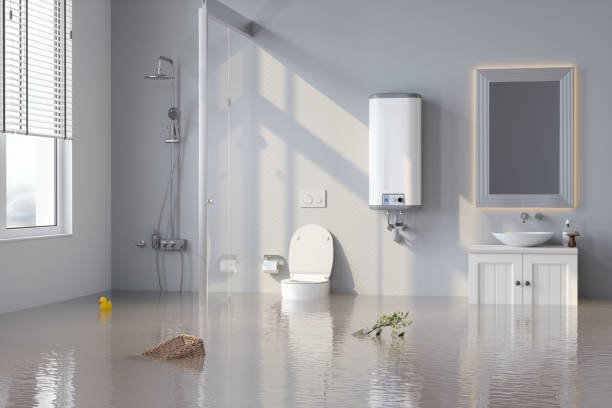
A toilet overflow can quickly turn from a plumbing inconvenience into a cleanup problem. Water may spread across the bathroom floor and reach baseboards, cabinets, nearby rooms, or absorbent materials. Depending on what caused the overflow, the water may also contain contaminants that require additional precautions.
The priority is to stop more water from entering the toilet. Once the overflow has stopped, the next steps are to contain the affected area, clean up the water safely, dry surrounding materials, and check for signs of water damage.
This guide explains what to do after a toilet flood, how to approach toilet overflow cleanup, and when the situation may require help from a plumber or water damage professional.
What to Do Immediately During a Toilet Overflow Cleanup
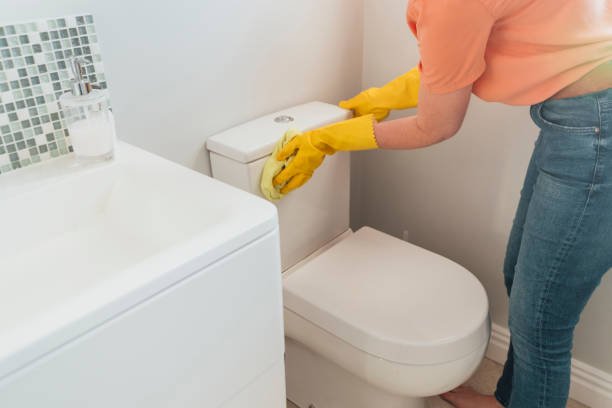
An unrecognizable mid-adult caucasian woman wearing protective yellow gloves is cleaning the toilet with a sponge in her bathroom at her home in Hartlepool.
Acting quickly can help limit how far the water spreads.
1. Stop the Water Flow
If the toilet is actively overflowing, stop additional water from entering the bowl.
First, avoid flushing the toilet again.
Locate the shut-off valve behind or near the toilet and turn it clockwise to stop the water supply. If you cannot stop the flow using the valve, carefully remove the toilet tank lid and lift the float to prevent additional water from entering the tank.
If water continues rising or the toilet repeatedly overflows, avoid further flushing until the underlying problem has been identified.
2. Keep People and Pets Away From the Area
Keep children and pets away from the affected area until cleanup is complete.
Walking through the water can spread moisture and possible contaminants into other parts of the home. If possible, close the bathroom door or block access while you assess the situation.
3. Watch for Electrical Hazards
If water has reached electrical outlets, extension cords, appliances, or other electrical equipment, avoid touching the affected area.
Water and electricity can create a serious hazard. If you are unsure whether electrical components have been exposed, consider contacting a qualified professional before entering the area.
Before Starting Toilet Overflow Cleanup
Before cleaning the floor, take a moment to assess the situation.
Not every toilet overflow is the same. The appropriate response can depend on what caused the water to overflow and what materials the water reached.
Consider Whether the Water May Be Contaminated
A toilet overflow may involve more than clean water.
For example, water that has only overflowed from a supply issue may present different cleanup concerns from water associated with waste, sewage, or a drain backup.
Use caution when dealing with toilet water, especially if you can see waste or suspect that sewage is involved.
Wear appropriate protective equipment, such as gloves, and avoid direct contact with the water. If the affected area is heavily contaminated or involves a sewage backup, professional cleanup may be appropriate.
Gather Basic Cleanup Supplies
Depending on the size of the affected area, you may need:
- Disposable or reusable protective gloves
- Absorbent towels or cloths
- A mop
- A bucket
- Disposable bags for contaminated materials
- A suitable household cleaning product
- Fans or ventilation equipment for drying
Avoid using items that could spread contaminated water into unaffected areas.
How to Clean Up After a Toilet Overflow
Once the water source has been stopped and the area is safe to enter, begin the cleanup process.
Remove Standing Water
Start by removing as much standing water as possible.
Use absorbent towels, a mop, or appropriate water-removal equipment depending on the amount of water present.
Work from the outer edges of the affected area toward the center to help prevent water from spreading farther into the room.
Avoid pushing water toward doorways, floor vents, or adjacent rooms.
If a large amount of water has spread across multiple rooms or entered flooring materials, basic household cleanup may not be enough to remove hidden moisture.
Clean Hard, Non-Porous Surfaces
After removing standing water, clean affected hard surfaces.
Depending on the situation, this may include:
- Tile floors
- Vinyl flooring
- Toilets
- Bathtub exteriors
- Non-porous cabinets
- Other washable surfaces
Pay attention to areas around the base of the toilet and along the edges of the room where water may have collected.
Cleaning visible surfaces is important, but it should not be confused with fully addressing moisture that may have traveled underneath flooring or behind baseboards.
Handle Cleanup Materials Carefully
Towels, rags, disposable materials, and other items used during cleanup should be handled carefully.
Avoid carrying dripping materials through unaffected areas of the home.
Wash reusable cleaning materials appropriately and dispose of heavily contaminated disposable materials according to local waste requirements.
Always wash your hands thoroughly after completing the cleanup.
Dry the Area Thoroughly
Removing visible water is only the first part of the process.
The affected area should also be thoroughly dried to reduce the amount of moisture left behind.
Open windows when appropriate and improve ventilation. Fans may help dry exposed surfaces, particularly after the majority of standing water has been removed.
Pay close attention to:
- Floor edges
- Corners
- Baseboards
- Areas behind the toilet
- Cabinets near the affected area
- Door thresholds
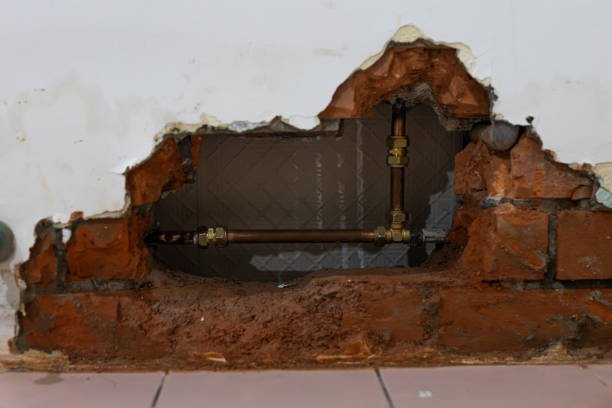
If moisture remains trapped beneath flooring or behind building materials, it may not be visible from the surface.
Check Nearby Materials for Signs of Water Damage
After a toilet overflow cleanup, inspect the surrounding area rather than assuming everything is dry once the visible water has been removed.
Water can travel into nearby materials and become visible later.
Check for:
- Swollen or warped baseboards
- Soft flooring
- Loose or damaged tiles
- Bubbling paint
- Damp drywall
- Discoloration
- Persistent musty odors
- Warped cabinets
The amount of damage can depend on how much water was present, how long it remained, and what materials were affected.
If moisture continues to appear or building materials begin changing shape or texture, further investigation may be necessary.
For a broader understanding of how moisture can affect different areas of a property, see our guide to water damage and water leaks.
How to Prevent Future Toilet Overflows
Although not every plumbing problem can be prevented, a few habits may reduce the likelihood of common toilet blockages.
Avoid Flushing Non-Flushable Items
Do not flush items such as:
- Paper towels
- Baby wipes
- Cotton products
- Feminine hygiene products
- Dental floss
- Other household waste
Even products marketed as flushable may not break down as easily as toilet paper in every plumbing system.
Pay Attention to Recurring Slow Flushing
A toilet that frequently flushes slowly or requires repeated plunging may have an underlying problem.
Addressing recurring issues early can help prevent a more serious overflow.
Watch for Multiple Slow Drains
If sinks, showers, and toilets throughout the home begin draining slowly, the problem may involve a larger section of the plumbing or drainage system.
Do Not Ignore Repeated Clogs
Occasional clogs can happen, but repeated blockages should not be treated as normal.
A plumber can investigate whether there is a problem farther down the drain line.
The Bottom Line
A toilet overflow requires more than simply clearing a clog. The immediate priorities are stopping the water, keeping the affected area contained, cleaning up carefully, and thoroughly drying nearby materials.
After the visible water has been removed, inspect the surrounding flooring, baseboards, cabinets, and walls for signs that moisture may have traveled beyond the original puddle.
A one-time overflow may be caused by a simple blockage, but repeated overflows, multiple drain backups, sewage contamination, or signs of hidden moisture can indicate a more serious plumbing or water damage problem that requires professional attention.