
 |
Reasons Water Bill Is High: Common Causes and What to Check |
||
| Address: | |||
| , | |||
| Phone #: | |||
| Website: | |||
There are several reasons water bill is high, even when your household water use seems unchanged. Common causes include running toilets, dripping faucets, increased outdoor water use, and hidden plumbing leaks. Understanding the possible causes can help you determine whether the increase is due to your everyday water use or to your plumbing system needing attention.
Common Reasons Your Water Bill Is High
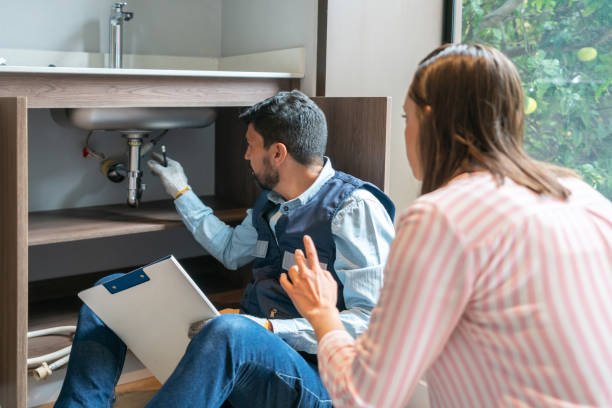
Latin American plumber explaining to a client the problem with her kitchen sink before fixing it
1. A Hidden Plumbing Leak
A hidden leak is one of the first things to consider when your water bill suddenly increases without an obvious change in usage.
Leaks can occur in:
- Pipes behind walls
- Underground water lines
- Plumbing connections
- Toilets
- Faucets
- Water heaters
- Irrigation systems
A small leak may not produce an obvious puddle. Instead, you might notice damp areas, water stains, musty odors, unusual sounds, or consistently higher water consumption.
If you also notice moisture or damage around a wall, our guide to water damage can help you identify what to look for.
2. A Dripping Faucet
A faucet that drips continuously may seem like a minor problem, but repeated dripping adds up over time.
Check faucets in:
- Kitchens
- Bathrooms
- Utility rooms
- Outdoor areas
The cause may be a worn washer, cartridge, valve, or other internal component. Replacing the faulty part can stop the unnecessary water use.
3. Increased Outdoor Water Use
Your water bill may naturally increase when you use more water outdoors.
Common examples include:
- Watering lawns
- Filling swimming pools
- Washing vehicles
- Gardening
- Using sprinklers
- Cleaning patios or driveways
Seasonal changes can therefore make one month’s bill substantially different from another.
If your bill increased during a period of heavier outdoor use, compare your current habits with previous months before assuming there is a plumbing leak.
4. A Running Toilet
The EPA notes that worn toilet flappers are a common cause of toilet leaks and that household leaks can waste substantial amounts of water over time.
The problem may come from a faulty flapper, fill valve, float, or another component inside the tank. Because the water may flow quietly, you might not realize the toilet is wasting water until you receive your bill.
An easy first step is to listen for water continuing to run after the toilet has finished flushing.
You can also add a few drops of food coloring to the toilet tank and wait without flushing. If colored water appears in the bowl, the tank may be leaking.
5. An Irrigation System Leak
Automatic sprinkler and irrigation systems can use significant amounts of water, and a damaged component may continue wasting water without being immediately obvious.
Check for:
- Broken sprinkler heads
- Leaking connections
- Damaged underground lines
- Sprinklers watering sidewalks or driveways
- Areas of unusually wet grass
If your irrigation system operates automatically, review its schedule as well. A programming change can increase water consumption without any plumbing failure.
6. A Faulty Water-Using Appliance
Some household appliances use substantial amounts of water during normal operation.
These include:
- Washing machines
- Dishwashers
- Ice makers
- Water softeners
- Reverse-osmosis systems
A malfunction or change in usage can contribute to higher water consumption.
Inspect visible supply lines and connections for signs of leaking. For appliances connected to plumbing, follow the manufacturer’s maintenance and troubleshooting instructions.
7. Changes in Household Water Use
Sometimes the simplest explanation is that your household is using more water.
Consider whether anyone has recently:
- Started taking longer showers
- Increased laundry loads
- Washed dishes more frequently
- Started gardening
- Had additional people staying in the home
- Increased outdoor cleaning
Even relatively small changes can affect monthly water consumption.
Before assuming something is wrong with your plumbing, compare your recent habits with the period covered by your previous bills.
How to Tell If Your High Water Bill May Be From a Leak
A higher bill does not automatically mean you have a plumbing leak.
Look for additional clues, particularly if your water usage has not changed.
Potential warning signs include:
- Your bill increased suddenly.
- Your household water habits stayed about the same.
- You hear water running when every fixture is off.
- Your toilet continues running.
- A faucet or outdoor fixture drips.
- You notice damp drywall or unexplained stains.
- Your water meter shows usage when no water should be running.
- Your water pressure has changed unexpectedly.
Several signs occurring together provide a stronger reason to investigate.
How to Check Your Water Meter for a Possible Leak
Your water meter can help determine whether water is being used when you are not intentionally using it.
First, turn off faucets and make sure water-using appliances and fixtures are not operating. Record the meter reading, then check it again after a period when no water has been used.
If the reading changes, water may be flowing somewhere in the plumbing system.
The U.S. Environmental Protection Agency’s WaterSense program recommends checking your water meter when no water is being used as one way to identify possible household leaks.
A meter check can tell you that unexplained water use may be occurring, but it cannot identify the location or cause of the leak.
What to Check Before Calling a Plumber
If your water bill is unexpectedly high, start with the easiest potential causes.
Check Your Toilets
Listen for running water and inspect the tank and bowl for signs of a leak.
Check Faucets
Look at indoor and outdoor faucets for continuous dripping.
Check Visible Pipes
Inspect accessible plumbing connections beneath sinks, around appliances, and near water heaters for moisture or dripping.
Review Outdoor Water Use
Check sprinkler schedules, irrigation equipment, hoses, and outdoor fixtures.
Compare Previous Bills
Look at several previous billing periods. A single unusually high bill may have a different explanation from a consistent upward trend.
Also check whether the billing period was longer than usual or whether the utility has changed how your consumption is reported.
When a High Water Bill Could Indicate a Hidden Leak
A hidden leak deserves more attention when the increase cannot be explained by normal changes in water use.
For example, suppose your household has the same number of people, similar shower and laundry habits, and no increase in outdoor watering. If your water consumption suddenly rises, a leak somewhere in the plumbing system becomes more likely.
The leak could be:
- Behind a wall
- Under a floor
- In an underground supply line
- Around a toilet
- Near a water heater
- In an irrigation system
If you notice wall stains, damp drywall, musty odors, or other moisture-related symptoms, investigate the possibility of a hidden leak rather than focusing only on the bill.
How to Prevent an Unexpectedly High Water Bill
You can reduce unnecessary water use by regularly checking the plumbing fixtures and appliances in your home.
Fix Dripping Faucets Promptly
Do not ignore a faucet that continues dripping. A small plumbing problem can continue wasting water until the underlying component is repaired.
Check Toilets Regularly
Listen for toilets that continue running after flushing and address faulty components when necessary.
Monitor Your Water Usage
Review your water bills regularly so you can recognize unusual changes sooner.
Inspect Irrigation Systems
Check sprinkler heads, irrigation lines, and automatic schedules, especially before and during periods of heavy outdoor watering.
Watch for Signs of Hidden Leaks
Pay attention to unexplained moisture, water stains, musty odors, and sounds of running water.
Early detection can help prevent a small plumbing issue from developing into a larger water-damage problem.
When Should You Call a Plumber?
Consider contacting a plumber if:
- Your water bill remains unusually high without an obvious explanation.
- Your water meter indicates water use when everything is turned off.
- You hear continuous water running inside a wall or ceiling.
- You find unexplained moisture or water damage.
- A visible leak cannot be repaired with a simple fixture adjustment.
- You suspect an underground or concealed plumbing leak.
A plumber can inspect the plumbing system and help determine where unexplained water use is coming from.
Frequently Asked Questions
What Are the Reasons a Water Bill Is High?
A high water bill can result from several issues, including hidden plumbing leaks, running toilets, dripping faucets, increased outdoor water use, irrigation problems, and changes in household water consumption.
Can a small leak cause a high water bill?
Yes. A leak can continue using water even when nobody is intentionally using a fixture. The effect on your bill depends on the size and duration of the leak.
How do I know if my high water bill is caused by a leak?
Turn off faucets and other water-using fixtures and check your water meter. If the meter continues registering water use when the home is not using water, there may be a leak somewhere in the system.
Can a running toilet make my water bill high?
Yes. A toilet that continuously allows water to flow from the tank into the bowl can waste water over time.
Can a water heater cause a high water bill?
A leaking water heater or its connected plumbing can contribute to unexplained water use. Check around the unit for visible moisture or dripping and have persistent leaks inspected.
Why is my water bill high when I haven’t changed my water usage?
If your household habits have remained consistent, check for hidden leaks, running toilets, dripping faucets, irrigation problems, and other plumbing issues. A water-meter check can help determine whether water is being used unexpectedly.
Should I call a plumber for a high water bill?
If you cannot explain the increase and your water meter indicates unexplained water use, contacting a plumber can help identify a concealed leak or other plumbing problem.
The Bottom Line
The most common reasons your water bill is high include hidden plumbing leaks, running toilets, dripping faucets, increased outdoor water use, irrigation problems, water-using appliances, and changes in household consumption.
If your water use has not changed but your bill has increased, don’t automatically assume the utility bill is incorrect. Check your toilets, faucets, visible plumbing, outdoor fixtures, and water meter for clues.
A consistently high bill accompanied by unexplained water use, moisture, stains, or unusual plumbing sounds may point to a hidden leak that needs professional attention.
Add a Comment