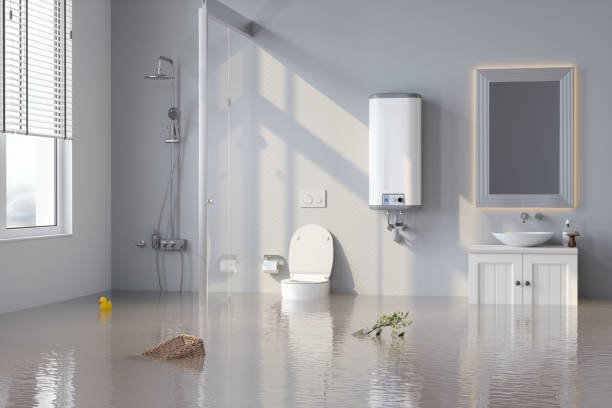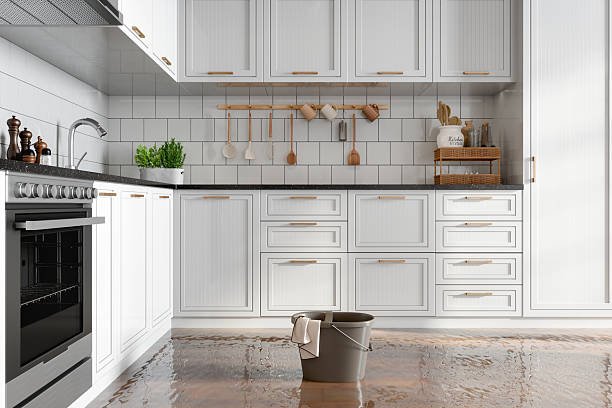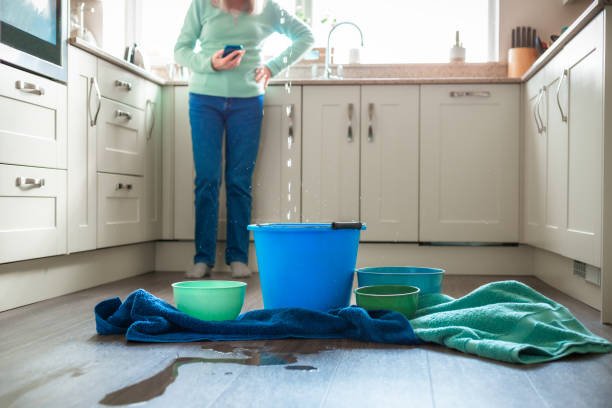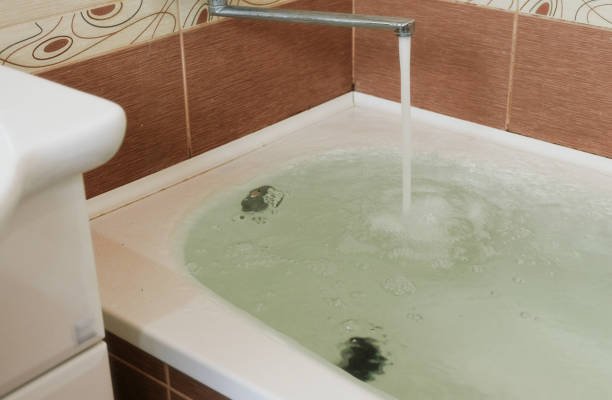
A bathtub flood can happen surprisingly quickly. A slow drain, blocked plumbing, a faulty overflow, or a leaking overflow seal can allow water to escape the tub and reach the bathroom floor.
The good news is that identifying the source early can prevent a small plumbing problem from becoming a larger water-damage issue.
If your bathtub is flooding right now, turn off the faucet first and remove the stopper if it is safe to do so. Then determine whether the water is coming over the tub rim, leaking around the overflow plate, or escaping from the drain or plumbing underneath.
What Causes a Bathtub Flood?
Bathtub flooding usually occurs when the amount of water entering the tub is greater than the amount the drain system can remove.
Common causes include:
- A clogged or partially clogged bathtub drain
- A bathtub stopper that prevents water from draining properly
- A blocked or poorly functioning overflow system
- A damaged overflow gasket
- A loose or improperly sealed overflow plate
- A leaking bathtub drain connection
- Leaving the faucet running while the drain is blocked
- A plumbing problem beneath or behind the bathtub
The important thing is to identify where the water is escaping, because the location can provide a useful clue about the underlying problem.
1. The bathtub drain is clogged
Hair, soap residue, and other debris can gradually restrict the main drain.
You may notice:
- Water draining slowly
- Water remaining in the tub after bathing
- Gurgling sounds
- Water rising when the faucet is running
A partially blocked drain can become a flooding problem if the faucet continues running.
2. The stopper is preventing drainage
A bathtub stopper that is stuck closed or incorrectly adjusted can restrict the normal drainage path.
If water is entering faster than it can leave, the water level will continue rising.
3. The overflow cannot handle the rising water
The overflow opening is intended to provide a secondary route for water when the tub reaches the overflow level. However, the overflow itself can become obstructed, or its connection can develop a leak.
An overflow is not designed to replace a properly functioning main drain.
4. The overflow gasket has failed
The overflow plate normally seals against the bathtub with a gasket.
If that gasket becomes compressed, deteriorated, displaced, or improperly installed, water can escape behind the overflow plate instead of remaining inside the drainage assembly.
This type of problem may be especially noticeable when the water level reaches the overflow opening.
5. The bathtub drain connection is leaking
Not every bathtub flood starts with water overflowing onto the floor.
A damaged seal around the main drain or a problem with the waste assembly can allow water to escape beneath the bathtub.
This may eventually appear as:
- Water stains on a ceiling below
- Damp flooring near the tub
- Moisture around the base of the bathtub
- A leak that occurs only while the tub is draining
What to Do If Your Bathtub Is Flooding
If the tub is actively overflowing, take these steps first:
1. Stop the water
Turn off the bathtub faucet immediately.
If another fixture is supplying water to the tub, stop that water source as well.
2. Allow the tub to drain
If the drain is open but slow, remove any accessible debris around the drain opening.
Avoid pushing objects deeper into the drain because this can make the blockage harder to remove.
3. Remove standing water
If water has reached the bathroom floor, remove it as quickly as practical using towels, a mop, or suitable water-extraction equipment.
4. Check surrounding areas
Look around:
- The bathtub base
- Flooring
- Bathroom cabinets
- Walls adjacent to the tub
- The ceiling below, if accessible
Water can travel beyond the area where the original overflow occurred.
5. Be careful around electricity
If water has reached electrical outlets, appliances, or other electrical equipment, don’t put yourself at risk trying to access them.
Have an appropriately qualified professional assess the situation if electrical safety is uncertain.
6. Dry affected materials quickly
EPA guidance emphasizes prompt drying after water damage. If materials cannot be adequately dried within roughly 24–48 hours, the risk of mold growth becomes a significant concern.
How to Find Where the Bathtub Is Leaking
Before replacing parts, determine when the leak occurs.
If water leaks when the tub is full
The overflow assembly, overflow gasket, tub drain seal, or another component that contacts standing water may be involved.
If water leaks only while the tub is draining
The main drain connection, drain shoe, waste piping, or trap becomes more likely.
If water leaks even when the tub is not being used
The problem may involve a supply pipe, valve, or another plumbing connection rather than the bathtub drain itself.
If water appears around the outside of the tub during showers
Don’t automatically blame the bathtub drain. Water can also enter through failed caulk, grout, shower doors, or other areas around the bathing enclosure.
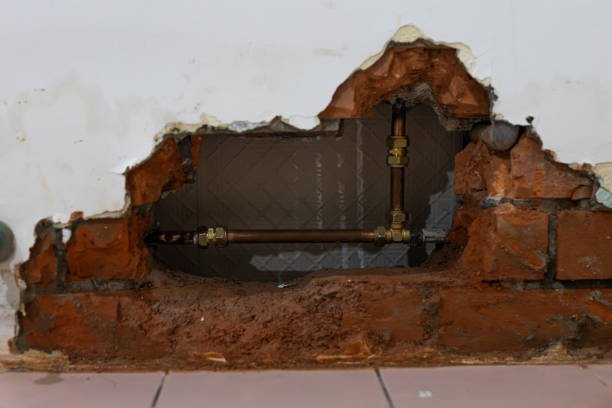
If the leak appears to be coming from behind the bathtub or inside the wall, look for water damage such as damp or discolored drywall, peeling paint, musty odors, soft or swollen areas, or water stains on the ceiling below. These signs can indicate that water from the bathtub overflow, drain connection, or nearby plumbing is reaching concealed areas. If you notice any of these warning signs, the source should be inspected before the moisture causes further damage.
How to Prevent Another Bathtub Flood
A few simple habits can reduce the chance of another flooding incident:
- Don’t leave a running bathtub unattended.
- Keep the main drain free of hair and debris.
- Don’t rely on the overflow as a substitute for a functioning drain.
- Check the overflow plate periodically for movement or damage.
- Look for moisture around the overflow after filling the tub.
- Address slow drainage before it becomes a complete blockage.
- Investigate water stains around or underneath the bathtub promptly.
FAQs
Why does my bathtub overflow when the drain is open?
A partially clogged drain may not be able to remove water as quickly as the faucet supplies it. A restricted overflow or plumbing problem can also contribute.
Why is water leaking from my bathtub overflow?
A damaged or incorrectly seated overflow gasket is one possible cause. Water may also be escaping from a connection in the overflow or waste assembly.
What does a bathtub overflow plate do?
The overflow plate covers the overflow opening on the side of the bathtub. Behind it is an overflow passage that connects to the bathtub’s waste system.
Why does my bathtub overflow plate have no screws?
Some overflow plates use concealed mounting methods, including snap-on or clip-style designs. The correct removal method depends on the particular overflow assembly.
Final Takeaway
A bathtub flood is often a symptom of a drainage or plumbing problem rather than a reason to immediately replace the bathtub.
Start by identifying where the water is coming from. A slow or blocked main drain points toward one set of problems, while water appearing around the overflow plate may indicate an overflow gasket or connection issue. If the overflow drain is leaking behind the tub or water has reached the floor, wall, or ceiling below, the problem deserves prompt attention.
The earlier the source is identified and the affected area is dried, the easier it is to prevent a relatively small bathtub problem from becoming extensive water damage.