Finding water coming from or collecting around plumbing pipes can be concerning, especially when the source is not immediately clear. Water from pipes may result from an active leak, condensation, a loose connection, damaged pipe material, or a problem elsewhere in the plumbing system.
The first step is to determine whether water is actually escaping from the pipe or simply forming on its surface. Not every wet pipe is leaking, but persistent moisture should not be ignored. Understanding the possible causes can help homeowners decide what to check and when to seek professional plumbing assistance.
Common Causes of Water Coming From Pipes
1- Loose or Damaged Connections
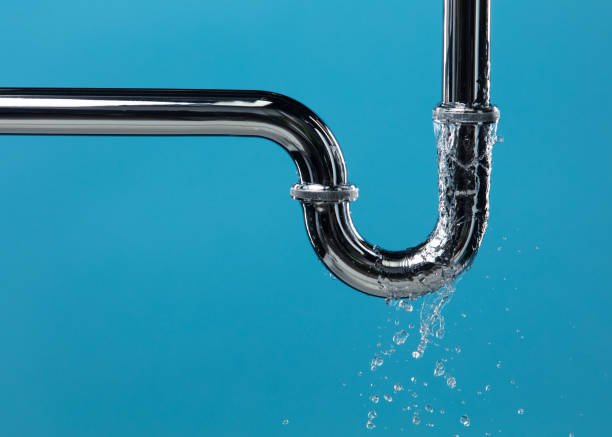
Plumbing systems contain multiple connections where pipes meet fixtures, valves, appliances, and other sections of plumbing.
Over time, some connections may loosen, or seals may deteriorate. This can allow water to escape slowly around the affected area.
Common locations include:
- Pipes beneath sinks
- Washing machine supply lines
- Dishwasher connections
- Water heater connections
- Shutoff valves
Visible moisture around a connection does not always mean the entire pipe needs replacement. However, the cause should be identified before the leak becomes more significant.
2- Corrosion or Pipe Deterioration
Some pipe materials can deteriorate over time. Corrosion may gradually weaken the pipe and eventually create small openings where water can escape.
Warning signs can include:
- Rust or discoloration
- Repeated leaks in the same plumbing area
- Visible deterioration around fittings
- Small pinhole leaks
- Mineral buildup around connections
Older plumbing systems may be more likely to experience age-related deterioration, although pipe condition depends on several factors, including material, water conditions, installation quality, and maintenance history.
3- Damaged Pipe Joints
Pipe joints and fittings are common areas for leaks because they connect separate sections of plumbing.
Movement, age, temperature changes, and pressure can affect these connections over time. Water appearing around a joint may indicate a worn seal, loose fitting, or other connection problem.
If the same area repeatedly becomes wet, avoid assuming the water is simply condensation. A closer inspection may be needed to determine whether the moisture is coming directly from the connection.
4- Excessive Water Pressure
Water pressure problems can place additional stress on plumbing components. Pipes, fittings, valves, and appliance connections may experience increased wear when pressure is consistently higher than the plumbing system is designed to handle.
Possible signs of a pressure-related plumbing issue include:
- Repeated leaks
- Noisy pipes
- Problems affecting multiple fixtures
- Unexpected changes in water flow
Because water pressure should be evaluated accurately, professional testing may be appropriate when pressure problems are suspected.
5- Frozen or Temperature-Damaged Pipes
Cold temperatures can affect plumbing pipes, especially pipes located in unheated or poorly insulated areas.
When water freezes, it expands. This can place stress on the pipe and may lead to cracks or other damage. In difficult situations, water pipes burst after freezing or when the pipe is damaged by pressure associated with frozen water.
Signs of possible freeze-related damage include:
- Reduced or interrupted water flow
- Visible frost on exposed pipes
- Cracks
- Water appearing after temperatures rise
- Sudden leaking from previously dry pipes
A damaged pipe may not begin leaking immediately. Some freeze-related problems become noticeable after the ice inside the pipe begins to thaw.
6- Appliance Supply Line Problems
Many appliances are connected to household plumbing through supply lines or hoses.
Problems with these connections can cause water to collect around:
- Washing machines
- Dishwashers
- Refrigerators with water dispensers
- Water heaters
- Water treatment equipment
Inspect visible connections for signs of moisture, corrosion, or dripping. If a supply line appears damaged or the source of the leak is unclear, professional assessment may be safer than repeatedly tightening or adjusting components without identifying the cause.
7- Damage to Underground Water Pipes
Not all plumbing problems are visible inside the home. Water pipes underground can develop leaks because of pipe deterioration, shifting soil, external damage, or other environmental factors.
Possible signs of an underground plumbing problem include:
- Unexpectedly wet areas in the yard
- A sudden unexplained increase in water use
- Reduced water pressure
- Water pooling without an obvious source
- Persistent wet ground near plumbing routes
Because underground leaks can be difficult to locate accurately, professional leak detection may be necessary.
Water From Pipes: Warning Signs to Watch For and What to Do
The appropriate response depends on whether the water is actively leaking and how quickly it is accumulating. Certain warning signs can help you determine whether the moisture is likely caused by minor condensation or a plumbing problem that needs attention.
Watch for signs such as water repeatedly returning after the pipe has been dried, dripping from a specific joint or connection, pooling water around plumbing fixtures, visible corrosion, changes in water pressure, or moisture spreading to nearby walls, cabinets, or flooring.
1- Dry the Area and Observe
For minor unexplained moisture, carefully dry the accessible pipe and surrounding area.
Observe whether:
- Water returns
- The moisture comes from a specific location
- The problem occurs after using a nearby fixture
- Droplets form across the pipe surface
- Water appears to be coming from a joint
This can help distinguish between condensation and an active leak.
2- Check Nearby Connections
Look at visible plumbing connections, valves, and appliance supply lines.
Avoid aggressively tightening components if you are unsure of the plumbing configuration. Excessive force can damage fittings or worsen an existing problem.
3- Identify Whether Water Is Actively Flowing
A slow drip and a continuous stream require different levels of urgency.
If water is actively escaping and accumulating quickly, shutting off the appropriate water supply may help limit additional damage while professional assistance is arranged.
4- Check for Related Warning Signs
Look around the affected area for:
- Damp cabinets
- Water stains
- Mold or mildew
- Warped flooring
- Musty odors
- Changes in water pressure
Multiple symptoms may indicate that the visible moisture is part of a larger plumbing problem.
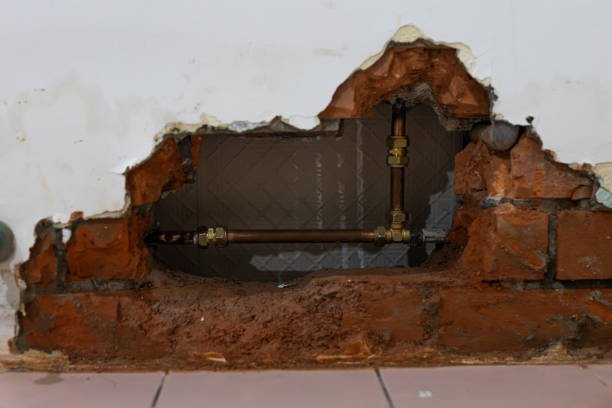
Water around an exposed pipe is relatively easy to observe. A plumbing problem becomes more difficult to identify when the pipe is located behind a wall, beneath a floor, or underground.
Warning signs that may suggest a concealed plumbing issue include:
- Recurring water stains
- Damp or soft building materials
- Musty odors
- Unexpected water use
- Persistent sounds of running water
- Moisture appearing without an obvious visible source
If you suspect that water is escaping from plumbing you cannot see, broader leak investigation may be necessary. Rather than opening walls or floors unnecessarily, start by identifying patterns and visible symptoms.
Our guide on how to find a water leak in your house provides a broader overview of the signs and checks that can help identify unexplained water loss.
Why Is Water Coming From Your Pipes?
Water around a pipe can appear for several reasons. In some cases, water is escaping from a damaged pipe or plumbing connection. In other situations, moisture may form on the outside of cold pipes because of condensation.
The location and behavior of the water can provide useful clues. Water that appears only when a nearby fixture is running may point to a drain, supply line, or connection problem. Continuous dripping from the same location may indicate a damaged pipe, fitting, valve, or joint.
Common causes of water coming from pipes include:
- Loose plumbing connections
- Damaged pipe joints
- Corrosion
- Cracks or small holes in pipes
- Leaking valves or threaded connections
- Appliance supply line problems
- Excessive water pressure
- Frozen or temperature-damaged pipes
- Damage to underground plumbing
- Condensation on cold-water pipes
An active plumbing leak usually produces dripping, a steady stream of water, or moisture that repeatedly returns after the pipe has been dried. Even a small leak can gradually damage nearby cabinets, flooring, walls, and other building materials.
Before assuming a pipe needs to be replaced, observe where the water is appearing and whether the moisture continues after nearby plumbing fixtures are turned off. Water repeatedly coming from a specific joint, fitting, or section of pipe is more likely to indicate a plumbing problem.
Condensation on Pipes vs. a Plumbing Leak
One important distinction is whether a pipe is actually leaking or simply collecting condensation.
Condensation occurs when warm, humid air comes into contact with a cold surface. Cold-water pipes may develop condensation in humid environments, and insulating cold-water pipes where condensation is a concern can help reduce moisture-related problems.
Condensation often:
- Appears across a larger section of the pipe
- Creates small droplets on the outside surface
- Occurs during humid conditions
- May decrease when humidity levels are reduced
- Does not usually originate from one specific crack or connection
A plumbing leak is more likely to:
- Originate from one specific location
- Continue dripping from a joint, fitting, or damaged section
- Create a steady stream or repeated drip
- Persist regardless of changes in room humidity
- Cause surrounding materials to remain consistently wet
Drying the pipe and observing where moisture returns may help identify the difference. If water repeatedly appears from the same joint, fitting, or section of pipe, a plumbing leak becomes more likely.
If the suspected source is concealed inside a wall, look for additional warning signs such as recurring stains, damp drywall, bubbling paint, or persistent musty odors.
Keep in mind that the location where water becomes visible is not always the exact location of the plumbing problem. Water can travel along pipes, framing, or other surfaces before becoming noticeable.
FAQs
Why is there water coming from my pipes?
Water coming from pipes can result from an active leak, damaged connection, corrosion, condensation, excessive pressure, or temperature-related pipe damage. The location and pattern of the moisture can help determine the likely cause.
How can I tell if a pipe is leaking or sweating?
Condensation usually forms as droplets across the outside surface of a cold pipe, while a leak often originates from one specific crack, joint, fitting, or connection. Drying the pipe and observing where the water returns can provide useful clues.
Can a small pipe leak cause damage?
Yes. Even a slow leak can continue exposing nearby materials to moisture over time. Persistent water can affect cabinets, walls, flooring, insulation, and other materials.
Can water pipes burst without warning?
Some pipe failures occur suddenly, although underlying issues such as freezing, corrosion, physical damage, or excessive pressure may increase the risk. Rapid water flow from a damaged pipe should be addressed immediately.
Why do my pipes make noise?
Pipes can make noises for several reasons, including water movement, pressure changes, temperature-related expansion, or air trapped in the system. Persistent or unusual noises may require further investigation.
Can underground water pipes leak?
Yes. Underground plumbing can develop leaks because of pipe deterioration, shifting soil, external damage, or other conditions. Wet areas of the yard, unexplained water use, or changes in water pressure may indicate a possible underground problem.
Should I repair a leaking water pipe myself?
The appropriate response depends on the location and severity of the problem. Simple visible issues may be easier to assess, but concealed, damaged, or actively leaking pipes should generally be evaluated carefully to avoid additional damage.
The Bottom Line
Water from pipes does not always mean the same thing. Moisture may be caused by an active plumbing leak, a damaged connection, corrosion, condensation, temperature-related damage, or a problem affecting plumbing that is not immediately visible.
The most useful first step is to observe where the water is appearing and how it behaves. Moisture spread across the outside of a cold pipe may indicate condensation, while water repeatedly coming from one joint or section of pipe is more likely to indicate a leak.
Persistent or unexplained moisture should not be ignored. If water continues returning, damage is visible, or the source cannot be identified, further plumbing investigation can help determine what is happening before the problem leads to more extensive water damage.