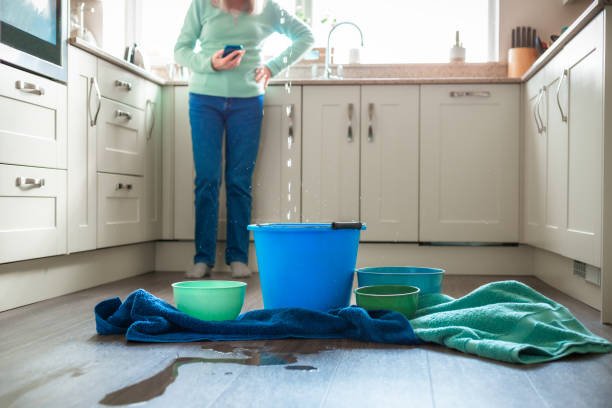
A water leak isn’t always obvious. You may not see a puddle or hear dripping, yet a leak can still waste water and gradually damage walls, floors, ceilings, or other parts of your home.
If your water bill has increased unexpectedly, you hear water running when every fixture is off, or you notice unexplained dampness, it’s worth investigating. If you’re trying to find a water leak in your house, starting with simple checks such as your water meter, toilets, faucets, and exposed plumbing can help determine whether unexplained water use is occurring.
The good news is that you can perform several basic checks before calling a plumber. These checks can help determine whether water is escaping somewhere in your plumbing system and, in some cases, narrow down where the problem may be.
8 Ways to Find a Water Leak in Your House
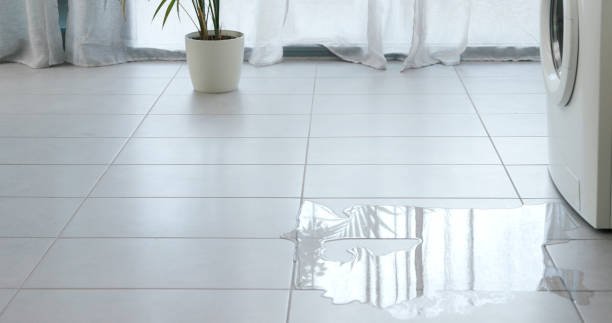
1. Check Your Water Meter
Checking your water meter is one of the simplest ways to look for unexplained water use.
Start by turning off every faucet and making sure water-using appliances are not running. Check that toilets have finished filling and that no one is using water elsewhere in the house.
Record the meter reading and avoid using water for a while. Then check the meter again.
If the reading changes even though no water was intentionally used, your home may leak.
The U.S. Environmental Protection Agency’s WaterSense program recommends using water meter readings as one way to identify potential household leaks.
Keep in mind that a meter test can indicate unexplained water use, but it generally cannot tell you exactly where the leak is.
2. Check Your Toilets for Silent Leaks
Toilets can leak without producing an obvious puddle.
A worn flapper or another faulty tank component can allow water to continuously move from the tank into the bowl. You may hear occasional running or notice that the toilet seems to refill when nobody has flushed it.
One simple test is the food-coloring test:
- Remove the toilet tank lid.
- Add a few drops of food coloring to the tank water.
- Do not flush the toilet.
- Wait for about 10 to 15 minutes.
- Check the bowl.
If colored water appears in the bowl, water is escaping from the tank into the bowl and the toilet likely needs attention.
A running toilet can also contribute to an unexpectedly high water bill.
3. Listen for Water When Everything Is Turned Off
Your home can sometimes tell you that a leak exists before you can see it.
Turn off faucets, showers, appliances, and other water-using fixtures. Then listen carefully around:
- Bathrooms
- Kitchens
- Laundry rooms
- Utility areas
- Walls and ceilings
- Water heater areas
A persistent dripping, hissing, or running-water sound can indicate water moving through a pipe when it shouldn’t be.
However, sound alone doesn’t identify the source. Water can travel through framing and other building materials, so the location where you hear or see water isn’t necessarily where the leak started.
4. Look for Signs of Moisture
Inspect areas where plumbing runs through or near walls, floors, and ceilings.
Look for:
- Yellow or brown stains
- Peeling paint
- Bubbling or damaged wallpaper
- Swollen baseboards
- Warped flooring
- Damp drywall
- Soft or spongy surfaces
- Mold or mildew
- Musty odors
A hidden leak may produce only subtle changes at first.
Knowing the signs of a hidden plumbing leak behind a wall can help you recognize a problem before the damage becomes more extensive.
5. Check Faucets and Exposed Plumbing
Inspect accessible plumbing fixtures for visible leaks.
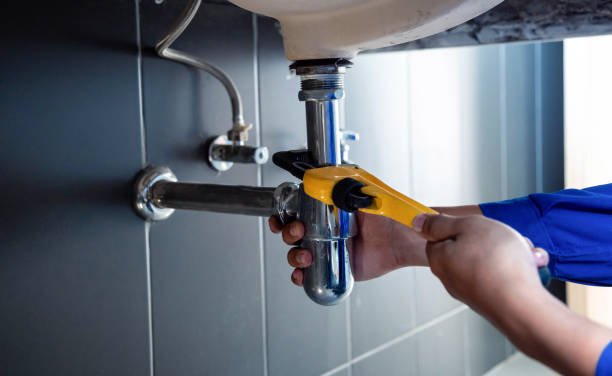
Check underneath sinks, around faucets, near toilet supply lines, and around other exposed connections.
Look for:
- Active dripping
- Water around pipe connections
- Corrosion
- Mineral deposits
- Damp cabinets
- Water pooling beneath fixtures
Don’t overlook outdoor faucets and hose connections. A dripping hose spigot or leaking connection can continue wasting water even when the problem isn’t visible from inside the house.
6. Check Your Water-Using Appliances
Several household appliances connect directly to your plumbing system.
Inspect accessible connections around:
- Washing machines
- Dishwashers
- Refrigerator ice makers
- Water softeners
- Water filtration equipment
Look for moisture, dripping connections, damaged hoses, or water collecting beneath the appliance.
Don’t move or disconnect a heavy appliance if doing so could create a safety risk or cause additional damage. Follow the manufacturer’s instructions and have a professional inspect a suspected concealed leak when necessary.
7. Compare Your Water Bills
Your water bill can provide another clue.
Look at several recent bills and compare your water consumption rather than focusing only on the dollar amount. A higher bill doesn’t automatically mean you leak because rates, billing periods, seasonal outdoor use, and household habits can all affect the total.
However, an unexplained increase in water consumption deserves attention, particularly if your household’s water use has remained about the same.
Understanding the reasons water bill is high can help you distinguish between increased household consumption and unexplained water use caused by a plumbing problem.
8. Check for Changes in Water Pressure
An unexpected change in water pressure can sometimes accompany a plumbing problem.
For example, a leak in a supply line may affect pressure under certain circumstances. But low pressure does not automatically mean you leak.
Other possible causes include:
- Partially closed shutoff valves
- A pressure regulator problem
- Clogged pipes or fixtures
- Municipal water-supply issues
- Problems with plumbing equipment
If pressure changes occur alongside unexplained water consumption, dampness, or running-water sounds, further investigation may be appropriate.
How to Confirm a Plumbing Leak
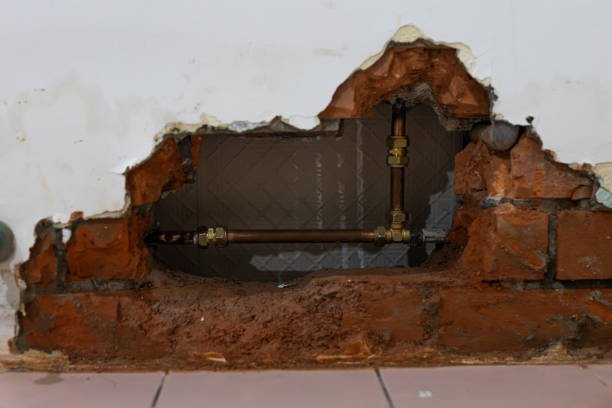
Some leaks are easy to spot. Others remain concealed behind walls, under floors, or underground.
A hidden leak becomes more likely when several clues appear together.
For example, you may notice:
- Your water meter moves when no water is being used.
- Your water consumption suddenly increases.
- You hear running water when fixtures are off.
- A wall or ceiling develops unexplained staining.
- You notice a musty odor.
- Paint begins bubbling or peeling.
- Flooring becomes warped or unusually damp.
- Your water pressure changes without an obvious reason.
No single symptom proves that you have a hidden leak. The combination of symptoms and a meter check can provide stronger evidence that further investigation is needed.
How to Narrow Down Where the Leak Is
Once you’ve confirmed unexplained water use, think about where the symptoms are occurring.
Keep in mind that water from pipes can travel along framing, flooring, or other building materials before becoming visible. As a result, the stain or damp area you notice may not be directly above or beside the actual source of the leak.
Near a Bathroom
Check toilets, faucets, shower plumbing, exposed supply lines, and areas around tubs and showers.
If you’ve recently experienced a bathtub flood, inspect the surrounding walls, flooring, and ceiling below for signs that water may have reached areas outside the immediate bathroom.
A toilet problem can also cause water to spread beyond the immediate fixture. If you’ve recently had an overflow, our guide to toilet overflow cleanup can help you address the immediate mess and identify areas that may need further inspection.
Near a Kitchen
Inspect the sink cabinet, dishwasher connections, refrigerator water line, and accessible supply pipes.
Look for damp cabinets, pooling water, stains, or damaged materials around plumbing connections.
Near a Laundry Room
Check washing machine hoses, connections, and the area around the washer.
If you notice water beneath the machine, determine whether the water is coming from a supply connection, drain, or the appliance itself before attempting any repair.
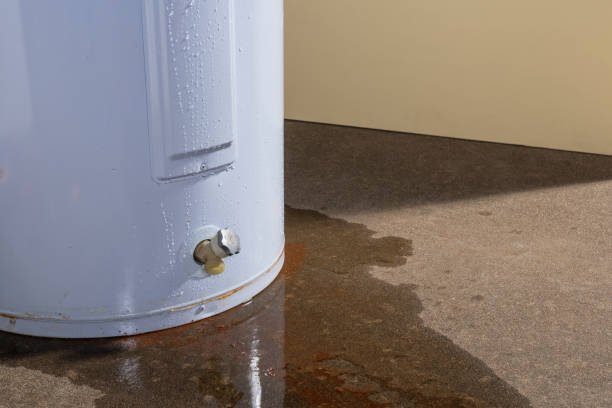
Around a Water Heater
Look at the connections, valves, drain area, and floor around the unit.
Water around a water heater can come from several different components, so don’t assume that the tank itself is leaking without further inspection.
Below an Upstairs Bathroom
A ceiling stain beneath a bathroom can indicate a plumbing leak from above. However, water can travel before becoming visible, so the stain may not be directly beneath the source.
Outside the House
Check hose spigots, irrigation equipment, and areas of unusually wet soil or vegetation.
An underground water-line leak may not produce an obvious puddle. Unusually wet areas of soil or vegetation can sometimes provide a clue.
If the source remains unclear, a plumber may use specialized leak-detection equipment to narrow down the location without unnecessarily opening walls or floors.
Non-Invasive Ways to Locate a Water Leak
Start with non-invasive checks such as:
- Water-meter testing
- Visual inspection
- Listening for water
- Checking accessible plumbing
- Looking for moisture or staining
These methods may confirm that a leak exists, but they cannot always identify the exact location.
If a leak appears to be behind a finished wall, beneath flooring, or underground, professional leak detection may be appropriate. A plumber can determine what testing method makes sense based on the plumbing system and symptoms.
Avoid cutting into a wall simply because you suspect a leak. You could create unnecessary damage or miss the actual source.
The appropriate response depends on the severity and location of the leak.
For a small leak from an accessible fixture, you may be able to shut off the fixture’s local water supply while arranging a repair.
For an active or significant leak, locate the home’s main water shutoff if it is safe to do so and stop the water supply.
If water is near electrical equipment, don’t enter standing water or handle electrical components. Prioritize safety and contact the appropriate professional.
If you suspect a gas-related problem rather than a water leak, don’t attempt to repair the gas line yourself. Follow local emergency guidance and contact a qualified professional.
When Should You Call a Plumber?
Consider professional help when:
- Your water meter indicates unexplained water use.
- You cannot locate the source of a confirmed leak.
- Water is leaking behind a wall or under a floor.
- You see significant water damage.
- A ceiling is actively dripping.
- An underground water line may be leaking.
- The leak continues after shutting off a fixture.
- You have repeated unexplained increases in water consumption.
Professional leak detection can help determine where water is escaping and what type of repair may be necessary.
How to Prevent Water Leaks From Becoming Bigger Problems
You cannot prevent every plumbing leak, but regular checks can help you catch problems earlier.
Make it a habit to:
- Check exposed plumbing connections for moisture.
- Listen for toilets that continue running.
- Inspect faucets and hose spigots.
- Review your water consumption regularly.
- Check accessible appliance connections.
- Know where your main water shutoff is located.
- Investigate unexplained increases in water use.
Early detection doesn’t guarantee that damage will be avoided, but finding a leak sooner generally gives you more opportunity to address the plumbing problem before it causes additional damage.
Frequently Asked Questions
How can I find a water leak in my house?
Start by checking your water meter when no water is being used. You can also inspect toilets, faucets, exposed pipes, appliances, walls, ceilings, and floors for signs of moisture. If the meter indicates unexplained water use and you cannot find the source, consider professional leak detection.
How do I know if I have a water leak if I can’t see it?
A moving water meter when all fixtures are off, unexplained increases in water consumption, running-water sounds, musty odors, damp areas, stains, and changes in water pressure can all indicate a hidden leak.
How do I check my water meter for a leak?
Turn off faucets and other water-using fixtures and appliances. Record the meter reading, wait without using water, and check the meter again. If the reading changes, water may be flowing somewhere in the plumbing system.
Can a water leak cause a high water bill?
Yes. A leak can cause water consumption to increase even when your household habits have not changed. Running toilets, leaking faucets, concealed pipes, irrigation systems, and other plumbing problems can all contribute to higher water use.
Can a water leak behind a wall be detected without removing the wall?
Sometimes. A meter test, visual inspection, moisture measurements, and other non-invasive methods can provide useful information. If the source cannot be identified, a plumber may use specialized leak-detection equipment before opening the wall.
Should I call a plumber if I suspect a hidden leak?
If your meter indicates unexplained water use, you notice water damage, or you cannot locate the source of a suspected leak, contacting a plumber can help identify the problem and determine the appropriate repair.
The Bottom Line
The best way to find a water leak in your house is to start with your water meter, toilets, faucets, exposed plumbing, appliances, walls, ceilings, and water-use patterns.
A water-meter test can help confirm that unexplained water use is occurring, while visible moisture, stains, unusual sounds, and changes in water consumption can help narrow down the problem.
If you confirm that water is escaping but cannot determine where the leak is coming from, avoid unnecessary damage by cutting into walls or floors. A qualified plumber can investigate concealed plumbing and determine the most appropriate next step.